
Beyond the Classroom: Building Social Skills at Home

Does your child shy away from friends or struggle to share? For special needs kids, social skills don’t always come naturally—but they can bloom with practice. You don’t need a classroom to teach connection; your living room can be the perfect start. Here’s how to help them shine socially.
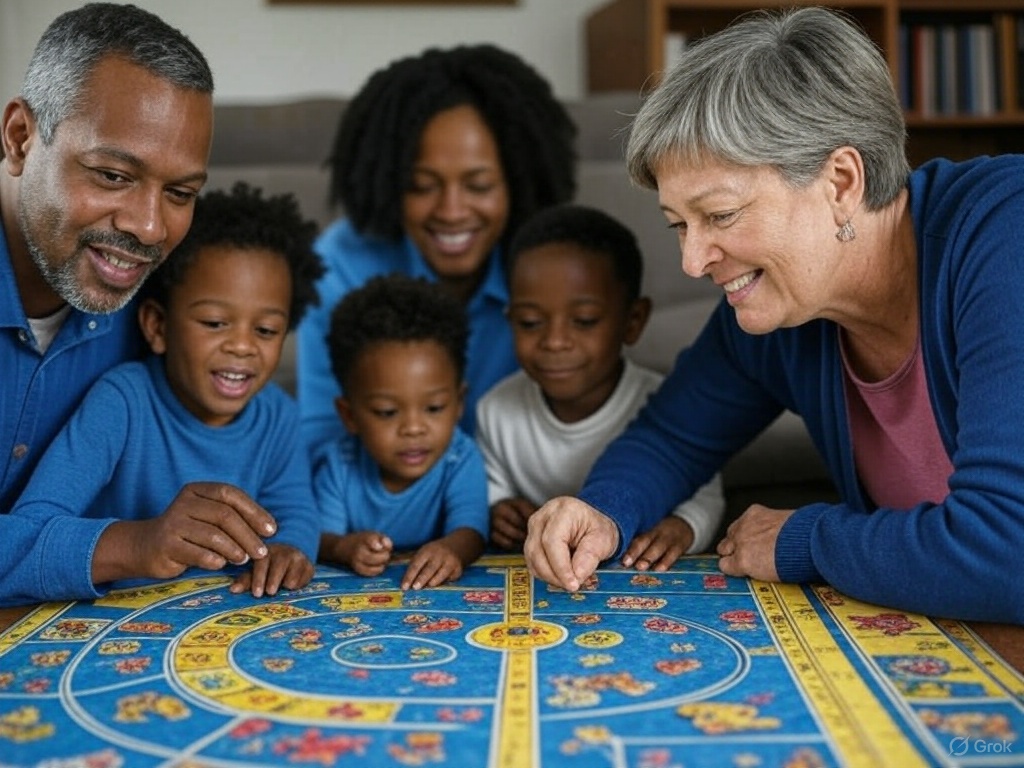
Social skills are like muscles—they grow with use. For a child with autism, eye contact might feel scary; for one with Down syndrome, taking turns could stump them. Start small: invite one friend over, not a crowd. Sit with them, passing a toy back and forth, and say, “My turn, your turn.” Keep it light—no pressure.
Role-play works wonders. Pretend you’re at a market—say “Hello, how much?” and let them answer. African parents can weave in culture: act out a family greeting or share a folktale, taking turns as characters. Praise effort, not results—“You said hi, great job!”—to build their courage. If they freeze, model it first: wave to a neighbor, then nudge them to try.
Real-world practice seals it. Take them to a park, but stay close. Point out a child kicking a ball and suggest, “Ask to play.” Rejection stings, so prep them: “If they say no, we’ll find something else.” One dad watched his shy daughter offer a flower to a peer after months of this—pure pride. Social skills open doors—to friends, to confidence.
It’s a marathon, not a sprint, but every chat counts. Need a boost for your child’s social journey? SAFREL’s team can share tips just for them—reach out today!